Article Body
A Sudden Departure on the Eve of Launch
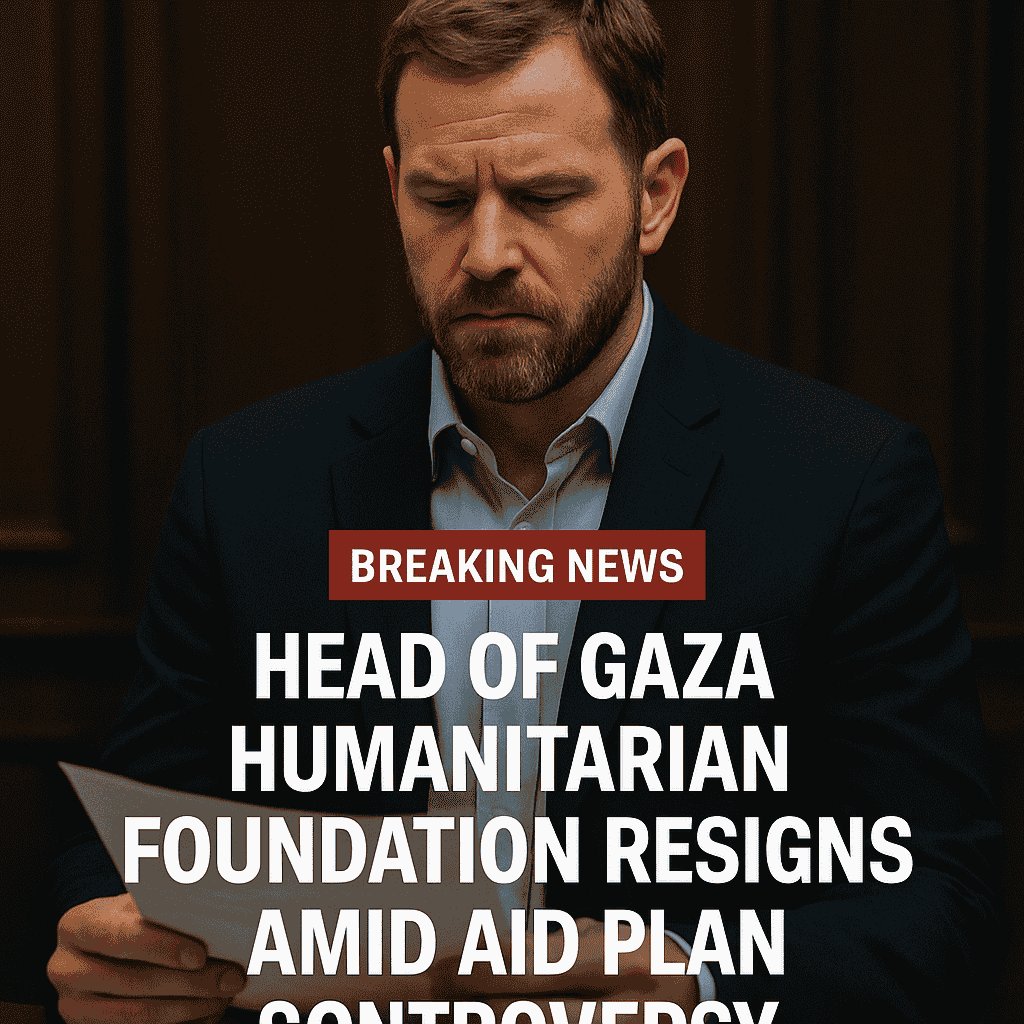
Wood’s resignation, announced just six hours before the distribution hubs were to open, stemmed from his conviction that the initiative—and its oversight by armed contractors near Israeli military positions—would compromise the foundation’s neutrality, impartiality, and independence Financial TimesMiddle East Eye. “It is not possible to implement this plan without violating the humanitarian principles I swore to uphold,” he stated in a letter to the GHF board. The abrupt move has left GHF scrambling to fill a leadership vacuum on day one of a program intended to feed over one million Palestinians within its first week of operation.
Origins and Objectives of the GHF Initiative
Established in February 2025 amid a deepening blockade that the UN warns could trigger widespread famine, the Gaza Humanitarian Foundation was conceived to streamline food distribution in southern Gaza via four fortified hubs managed by private security contractors with logistical backing from the Israeli military AP News. Proponents argue the centralized model could prevent the diversion of aid to Hamas, a persistent concern for both Israeli authorities and their US supporters. However, critics counter that clustering resources in the south forces displaced families to traverse active military zones from the north and central Gaza, compounding risks for civilians already reeling from displacement.
A Clash with Established Aid Agencies
Major humanitarian organizations, including several UN agencies, have opposed the GHF plan since its first public mention in March 2025, labeling it ineffective and potentially coercive AP NewsThe Guardian. They point to nutrition guidelines that specify a minimum caloric provision unmet by the proposed weekly boxed meals and note the absence of a mechanism for distributing essential non-food items such as medical supplies and hygiene kits. UN officials have further cautioned that sidelining established aid corridors could exacerbate existing supply shortfalls, undermining both immediate relief and long-term recovery efforts.
Wood’s Humanitarian Journey
A former U.S. Marine and co-founder of the veteran relief agency Team Rubicon, Jake Wood brought to GHF a reputation for rapid disaster-response and strict adherence to humanitarian neutrality Wikipedia. His departure not only highlights the personal stakes for aid professionals operating in politically charged environments but also raises broader questions about the viability of private initiative in arenas traditionally managed by multilateral institutions. Wood’s insistence on upholding the four cardinal principles—humanity, neutrality, impartiality, independence—clashed irreconcilably with GHF’s operational constraints, he later explained in interviews with regional correspondents.
Interim Leadership and Next Steps
In the wake of Wood’s resignation, GHF’s board swiftly appointed John Acree, a former USAID official with extensive field experience, as interim executive director The TimesFinancial Times. Acree faces the immediate challenge of reassuring both donors and recipients that the program can proceed without politicization and with respect for humanitarian norms. In a statement, Acree acknowledged the “legitimate concerns” raised by Wood’s departure and vowed to work “overtime to ensure transparency, accountability, and a people-centered approach.”
International Backdrop and Diplomatic Ripples
Wood’s exit unfolds against a backdrop of escalating international tensions over Gaza aid. Germany has publicly criticized Israel’s handling of the blockade, and the European Union has launched trade agreement reviews in response to alleged violations of international humanitarian law The Times. Meanwhile, Hamas authorities have urged Gazans to shun GHF, denouncing it as a tool for forced displacement. These competing narratives underscore the deeply politicized nature of humanitarian assistance in Gaza, where every truck crossing the Kerem Shalom terminal becomes a symbol in a broader struggle for narrative control.
Voices from the Ground
Residents of Gaza City and northern towns, many of whom remain confined by front-line clashes, describe a mixture of relief and apprehension. “We need food, but at what cost?” asked one displaced father sheltering in a United Nations school compound. “Will we be safe traveling south? Will they treat us fairly?” His concerns echo those of thousands of internally displaced persons (IDPs) who have watched UN aid deliveries trickle in at less than half the volume needed to stave off malnutrition The Guardian.
Looking Ahead: Sustainability vs. Expediency
As GHF food trucks begin rolling into Gaza distribution sites on Monday, the program’s long-term viability hinges on reconciling rapid scale-up with adherence to humanitarian safeguards Financial Times. International donors are monitoring whether GHF can match the UN’s reach—historically achieved through hundreds of smaller distribution points—while maintaining cost-efficiency. The foundation has pledged to publish daily delivery figures and independent audits, but skepticism remains high among aid watchdogs concerned about accountability in a conflict zone.
Comments